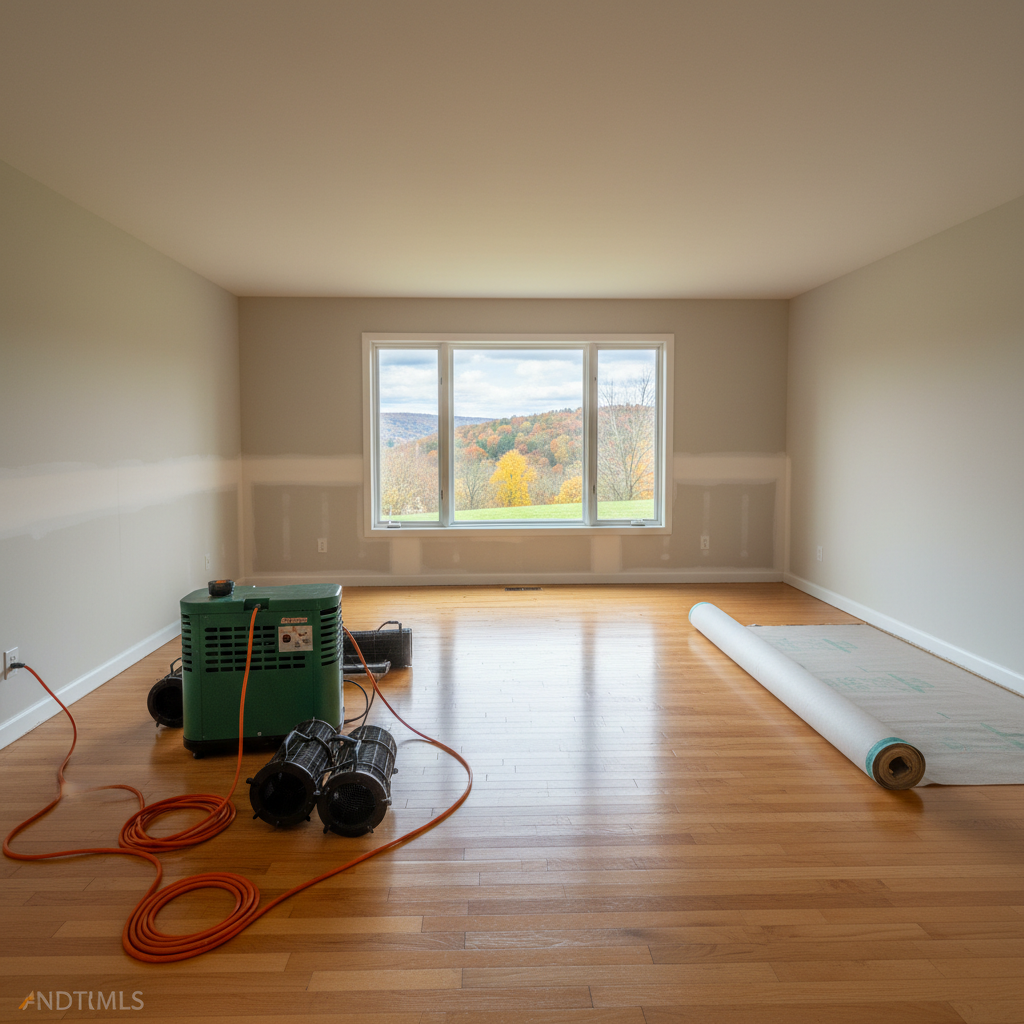
When your basement floods or a pipe bursts, the first thing you want is that water gone, and everything dried out. Fast. But here in Pittsburgh, the weather outside actually plays a pretty big role in how quickly and effectively we can dry out your home. It's not just about getting the water out; it's about getting the moisture out of the materials themselves, and that's where our local climate really comes into play.
The Best Time for Structural Drying in Pittsburgh
Honestly, there's no 'bad' time to get water out of your house – you need to do it immediately, no matter what. But when it comes to structural drying, some seasons are definitely more forgiving than others. Our ideal drying conditions usually hit in the late spring and early fall. Think about those crisp, low-humidity days, maybe 60-70 degrees, with a nice breeze. Those are perfect. The air outside is dry enough that we can bring it in, cycle it through your home, and pull a lot of moisture out of the building materials. This helps our dehumidifiers work more efficiently and speeds up the whole process.
You'll notice a big difference compared to, say, a sweltering July day. When it's 90 degrees and 90% humidity outside, opening windows isn't going to help much. You're just bringing more moisture in. That's when we rely heavily on powerful dehumidifiers and air movers to create a controlled drying environment inside. It's doable, but it takes more energy and sometimes a bit longer.
How Pittsburgh's Weather Affects Drying
We've got some pretty distinct seasons here, and each one presents its own challenges and opportunities for water damage restoration. I've seen it all, from flooded basements in the spring thaw to frozen pipes bursting in the dead of winter.
- Spring (March-May): This can be a mixed bag. We get a lot of rain, which means high outdoor humidity. But we also get those beautiful, drier days. The big thing here is often groundwater. If your basement takes on water from heavy spring rains, like we often see in older homes in neighborhoods like Lawrenceville or Polish Hill, we're battling both the standing water and the high ambient humidity. We'll use air movers and commercial dehumidifiers to create a negative pressure environment, pushing that moisture out.
- Summer (June-August): Hot and humid. This is probably the toughest time for natural drying. You can't just open windows and expect things to dry out. In fact, doing so can make things worse by introducing more moisture and potentially encouraging mold growth. We seal off the affected areas, crank up the dehumidifiers, and control the temperature to optimize drying. It's a science, not just guesswork.
- Fall (September-November): Often the best drying season. Lower humidity, moderate temperatures. If you have a water event during these months, we can sometimes use outside air to our advantage, supplementing our equipment. It helps us get things dried faster and more efficiently.
- Winter (December-February): Cold and dry. You'd think this would be great, but freezing temperatures bring their own issues. Frozen pipes are a common culprit for water damage in winter. Once the water's out, the cold, dry air can be helpful, but we also have to be careful about not drying too aggressively, which can cause materials to crack or warp. We also need to maintain a comfortable working temperature for our crew and for the drying process itself.
Protecting Your Investment Year-Round
You can't control the weather, but you can control how you prepare your home. Here are a few things I always tell folks:
- Check your gutters and downspouts regularly. Especially before spring rains and after fall leaves drop. Clogged gutters are a huge cause of foundation water issues. Water needs to be directed *away* from your foundation, not dumped right next to it.
- Inspect your roof. Loose shingles, damaged flashing – these are invitations for water. A small leak can turn into a big problem fast, especially with our heavy snowfalls and ice dams.
- Know where your main water shut-off is. This is critical. If a pipe bursts, you want to be able to shut off the water supply immediately to minimize damage. I've seen countless situations where homeowners didn't know, and every minute counts.
- Maintain your plumbing. Don't ignore slow leaks under sinks or around toilets. They might seem minor, but they can lead to significant structural damage and mold growth over time.
- Consider a dehumidifier for your basement. Even without a flood, Pittsburgh basements can get pretty damp. A good dehumidifier helps prevent mold and keeps the air healthier.
When water damage hits, you need a team that understands not just the equipment, but also the local conditions. At Absolute Restoration, we've been dealing with Pittsburgh's unique weather patterns for years, and we know how to get your property dry and back to normal, no matter the season. Don't hesitate to call us if you're dealing with water damage – we're here to help.