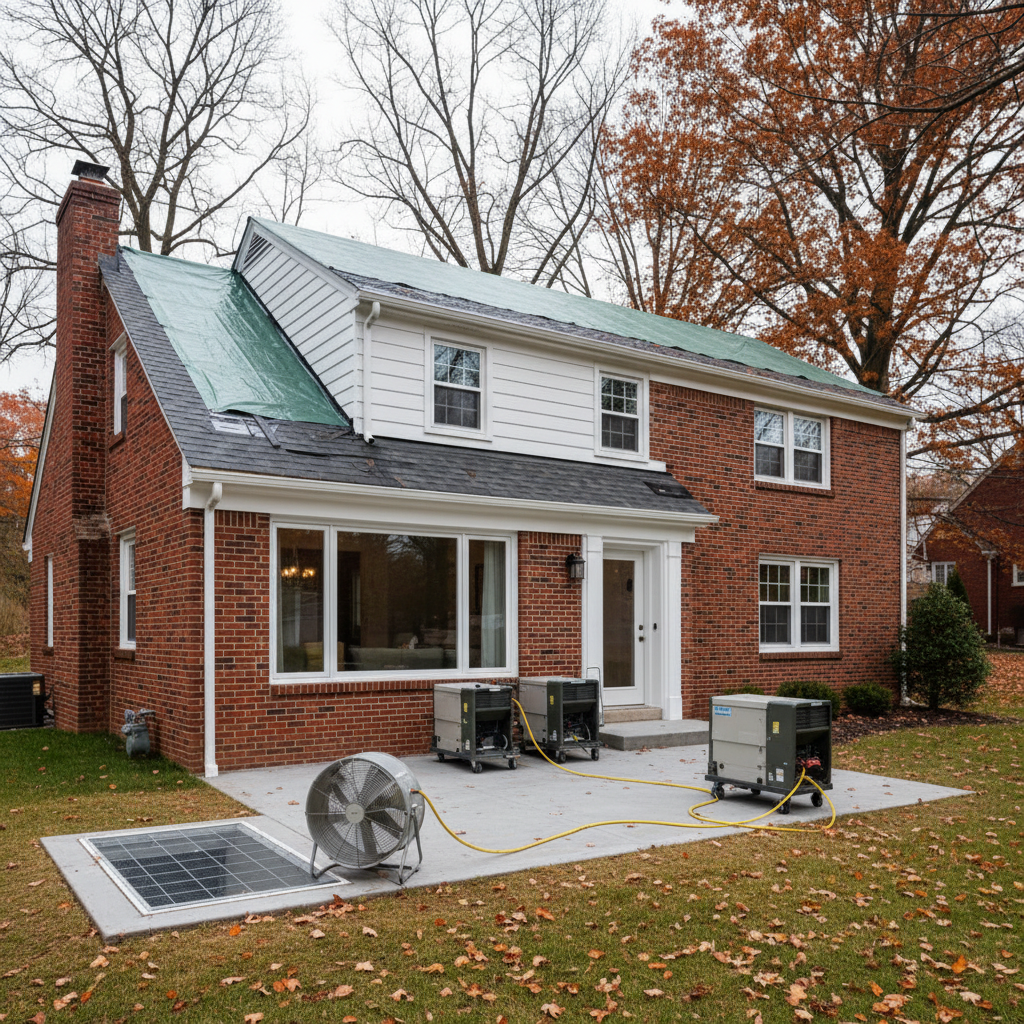
Got water in your house? It's a nightmare, plain and simple. And here in Pittsburgh, our crazy weather patterns can make drying things out a real challenge if you don't know what you're up against. I've seen it all over the years, from basements in Lawrenceville to attics in Squirrel Hill, and one thing's for sure: timing and understanding the climate are key to getting your home dry and keeping it that way.
When's the Best Time to Dry Out Your Home?
Honestly, the best time to dry out your home is right now, as soon as the water hits. Every hour counts when you're dealing with water intrusion. But if we're talking about optimal conditions for structural drying, our Pittsburgh seasons definitely play a role. You might think summer's the best because it's warm, right? Not always.
Summer here often means high humidity. We're talking 80-90% humidity some days. While the heat helps evaporate water, that high moisture content in the air means it's harder to pull moisture out of your walls, floors, and structural elements. It's like trying to dry clothes outside on a super muggy day – they just don't get crisp. We'll use dehumidifiers, air movers, and specialized equipment no matter what, but in summer, we're really fighting the outdoor air.
Fall and spring can be tricky. You get those beautiful, crisp days with lower humidity, which are fantastic for drying. But then you get sudden downpours or a week of damp, chilly weather that slows everything down. Winter, surprisingly, can sometimes be ideal for drying, especially if it's cold and dry outside. Our heating systems are running, which lowers indoor humidity, and the cold, dry air can be really effective when exchanged properly. The catch is, if you've got frozen pipes that burst, you're dealing with a whole different set of problems.
The takeaway? Don't wait for the 'perfect' season. Get a professional in there immediately. We adjust our drying protocols to the conditions, no matter what time of year it is.
How Pittsburgh Weather Messes with Structural Drying
Our climate isn't just about temperature; it's about humidity, precipitation, and even our soil. Here's a few things I've seen that make Pittsburgh unique:
- Relentless Humidity: I mentioned it, but it bears repeating. Our summers are just plain muggy. This means we often need more powerful dehumidification equipment and longer drying times to hit those crucial moisture content targets. If you don't dry thoroughly, you're setting yourself up for mold.
- Freeze-Thaw Cycles: Winter here is brutal on pipes. Those constant swings from freezing to thawing can stress older plumbing, leading to bursts. And when that happens, you've got an immediate, often large-scale water problem.
- Heavy Rains & Saturated Ground: We get our fair share of rain, and sometimes it just doesn't let up. When the ground around your foundation is saturated, especially with our clay-heavy Pittsburgh soil, it puts immense hydrostatic pressure on your basement walls. That's how a lot of basement water issues start – not from a leak in the roof, but from water pushing in through cracks. This also means once water's in, the ground outside isn't helping it dry out naturally.
- Older Homes: A lot of Pittsburgh homes are older, with different construction methods and materials than modern houses. They can hold moisture in different ways, and sometimes you find hidden pockets of water that are tough to get to.
Protecting Your Investment Year-Round
You've invested a lot in your home, and water damage can seriously devalue it if not handled right. Here's how to protect that investment, no matter the season:
- Regular Gutter & Downspout Checks: This is basic, but so many people neglect it. Clogged gutters send water cascading down your foundation, straight into your basement. Clean them in spring and fall, and make sure downspouts extend at least 6 feet from your foundation.
- Sump Pump Maintenance: If you have a sump pump, test it regularly. Pour a bucket of water into the pit to make sure it kicks on. Consider a battery backup, especially if your basement is finished. Power outages during heavy storms are common here.
- Seal Cracks: Walk around your foundation. See any cracks? Get them sealed. Even small ones can let a surprising amount of water in when the ground is saturated.
- Check Your Roof: After winter, especially, inspect your roof for damaged shingles or flashing. Ice dams can do a number on your roofline, creating entry points for water.
- Know Your Plumbing: Locate your main water shut-off valve and make sure everyone in the house knows how to use it. If a pipe bursts, shutting off the water immediately minimizes damage.
- Monitor Humidity: Consider a hygrometer (humidity monitor) in your basement or crawl space. If it's consistently above 60%, you might need a dehumidifier to prevent mold growth, even without a major water event.
Look, water damage is stressful. When it happens, you need a team that understands not just the science of drying, but also the local conditions that impact it. That's where Absolute Restoration comes in. We've been doing this long enough to know exactly what Pittsburgh homes need. Don't hesitate to call us if you're ever dealing with water – we'll get you dried out right.