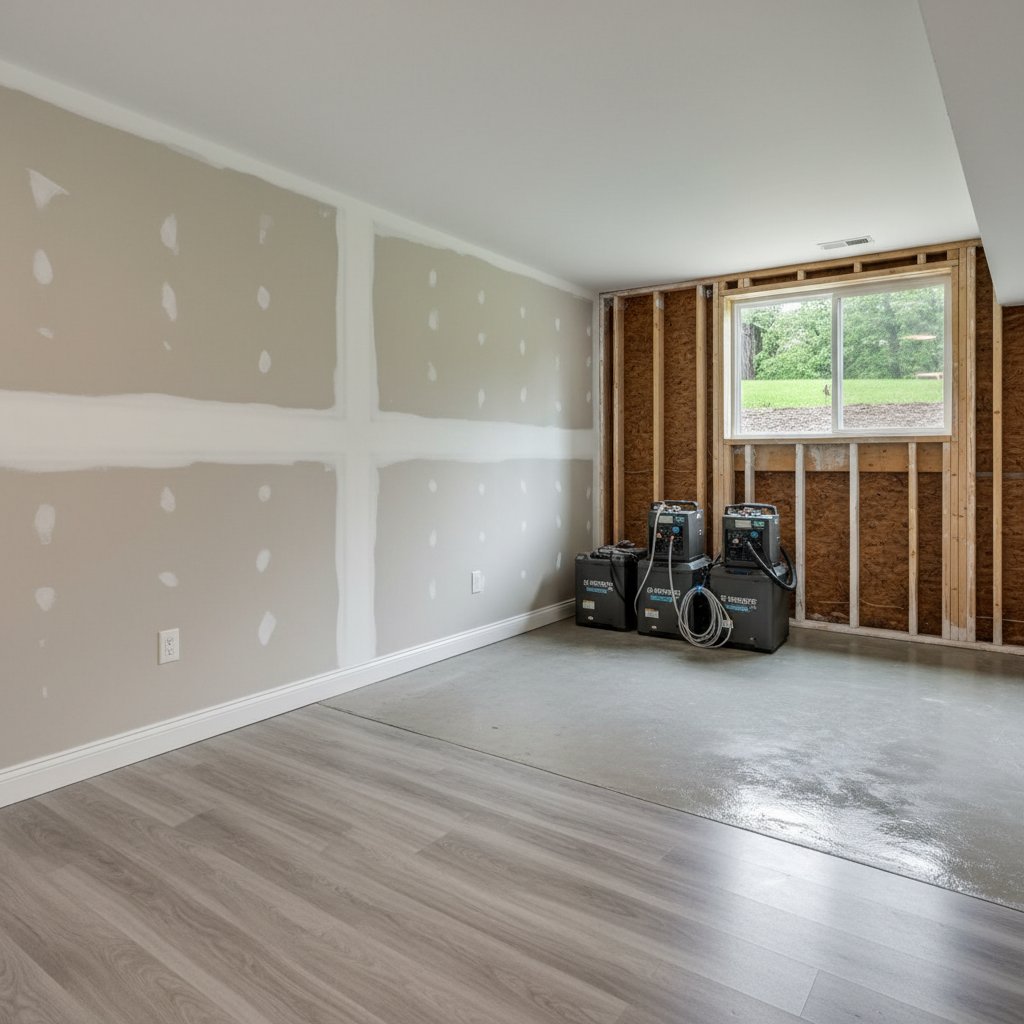
So, you’ve dealt with a mold problem. Maybe we at Absolute Restoration handled it for you, or maybe another reputable company did. Either way, that’s a big hurdle cleared. But here’s the thing: getting rid of mold is only half the battle. If you don’t change what caused it in the first place, or if you don’t keep up with some basic maintenance, you’re just inviting it back for another visit. And nobody wants that.
Extending the Life of Your Mold Remediation
Think of mold remediation like a major surgery. The operation fixed the immediate problem, but now you need to recover and make sure you don't get sick again. The biggest thing you can do to extend the life of that remediation work is to control moisture. Mold needs water to grow, plain and simple. If you cut off its water supply, it can’t thrive.
First, fix any leaks immediately. I mean *immediately*. A leaky pipe under your sink, a slow drip from your roof, or a foundation crack letting in groundwater after a heavy rain – these are all prime mold incubators. Don't put it off. Even a small leak can turn into a big mold issue surprisingly fast. We see it all the time in older Pittsburgh homes, especially those with stone foundations that weren't built with modern waterproofing in mind.
Second, improve ventilation. Basements, bathrooms, and kitchens are notorious for high humidity. Run exhaust fans during and after showers, and when you’re cooking. If your basement feels damp, a dehumidifier is your best friend. Keep the humidity levels in your home between 30% and 50%. You can grab a cheap hygrometer at any hardware store to keep an eye on it.
What Regular Maintenance Looks Like
This isn't rocket science, but it does require a little attention. Here’s what I tell folks to do:
- Daily checks for leaks: Just a quick look under sinks, around toilets, and near appliances like your washing machine or dishwasher. If you see standing water or even just dampness, investigate.
- Monitor humidity: Like I said, keep it between 30-50%. In our humid Pennsylvania summers, you’ll likely be running that dehumidifier pretty consistently. In the winter, when the air is drier, you might not need it as much, but still keep an eye on it, especially if you have a lot of indoor plants or frequently boil water.
- Clean and dry quickly: If you have a spill, clean it up and dry the area thoroughly within 24-48 hours. Any longer than that, and mold can start to take hold.
- Keep gutters clean: Clogged gutters overflow, sending water cascading down your foundation walls or pooling around your home. That’s a direct invitation for moisture intrusion into your basement or crawl space.
- Ensure proper drainage: Make sure the ground around your foundation slopes away from your house, not towards it. Downspouts should extend several feet away from the foundation.
Warning Signs of Problems
You’ve got to be vigilant. Mold doesn't always announce itself with a marching band. Here are the red flags:
- Musty odors: This is often the first sign. If you walk into a room, especially a basement or a bathroom, and it smells earthy or like old, wet socks, that’s a strong indicator you might have mold, even if you can’t see it.
- Visible growth: Obvious, right? But mold can be black, green, white, or even orange. It might look fuzzy, slimy, or powdery. Don’t ignore a small patch; it can spread.
- Water stains or discoloration: Stains on walls, ceilings, or floors that aren't explained by a recent spill could mean a hidden leak, which means hidden mold.
- Peeling paint or wallpaper: This often happens when moisture is trapped behind the surface.
- Warping or bowing materials: If drywall, wood, or flooring starts to warp or buckle, it’s usually due to excessive moisture.
- Allergy-like symptoms: If you or family members are experiencing persistent sneezing, coughing, itchy eyes, or skin irritation only when you’re in certain areas of your home, mold could be the culprit.
When to Call a Professional
Look, I’m a big believer in DIY for certain things, but mold isn't always one of them. Here’s when you absolutely should call in the pros, like us at Absolute Restoration:
- If the moldy area is larger than 10 square feet: That's roughly a 3x3 foot patch. Anything bigger than that, and you risk cross-contaminating other parts of your home or exposing yourself to too many spores.
- If you suspect hidden mold: You smell it, you have symptoms, but you can’t see it. This means it’s likely behind walls, under flooring, or in a crawl space. We have the tools and experience to find it without tearing your house apart unnecessarily.
- If you’ve had significant water damage: A burst pipe, a flooded basement, or a roof leak that went unnoticed for a while. These situations almost always lead to mold if not dried out and treated correctly and quickly.
- If you have health concerns: If anyone in your household has allergies, asthma, or a compromised immune system, it’s best to let professionals handle any mold growth, no matter the size.
- If the mold keeps coming back: You’ve cleaned it, but it reappears. This means you haven’t addressed the root cause, and we can help identify that.
Don't mess around with mold. It's not just unsightly; it can be a real health hazard and cause serious damage to your home. Stay on top of your maintenance, keep an eye out for those warning signs, and don't hesitate to call if you're in over your head. We're here to help Pittsburgh homeowners keep their homes safe and dry.